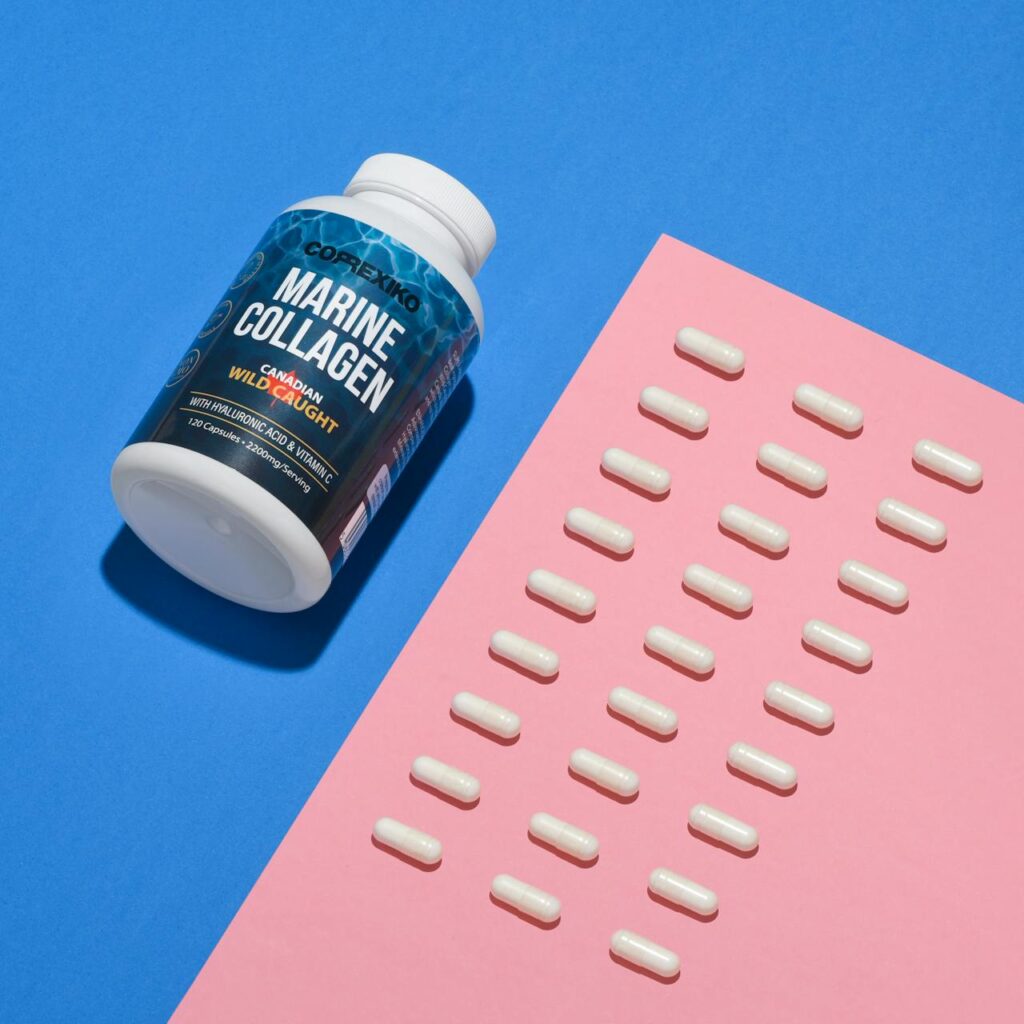
Best When it comes to selecting the best protein supplement for muscle growth, several factors need consideration. Protein supplements are popular among fitness enthusiasts and athletes to support muscle repair, recovery, and growth. However, with a plethora of options available, choosing the right one can be daunting. Below,
we explore some of the top protein supplements and their benefits:
Top 5 Protein supplement :
1. Whey Protein
Whey protein is one of the most popular and widely studied protein supplements. – It is derived from milk during the cheese-making process and is rich in essential amino acids, especially leucine, which is crucial for muscle protein synthesis. – Whey protein is quickly absorbed by the body, making it an ideal choice for post-workout supplementation to kickstart muscle recovery and growth. – It comes in various forms such as whey protein concentrate, whey protein isolate, and whey protein hydrolysate, with isolate being the purest form with higher protein content and lower lactose and fat.
2. Casein Protein
Casein is another milk-derived protein, but it is digested and absorbed more slowly compared to whey protein. – This slow digestion rate makes casein an excellent choice for providing a sustained release of amino acids to muscles over an extended period, such as between meals or before bed. – It is particularly beneficial for preventing muscle breakdown during periods of fasting, such as overnight sleep, thereby supporting muscle maintenance and growth.
3. Soy Protein
Soy protein is derived from soybeans and is a complete protein source, containing all essential amino acids. – It is suitable for individuals following vegetarian or vegan diets or those with dairy allergies or intolerances. – Soy protein has been shown to be effective in promoting muscle protein synthesis and muscle recovery comparable to animal-based protein sources like whey.
4. Pea Protein
Pea protein is derived from yellow peas and is another excellent option for individuals following plant-based diets. – It is rich in branched-chain amino acids (BCAAs), including leucine, which are essential for muscle repair and growth. – Pea protein is easily digestible and hypoallergenic, making it suitable for those with food sensitivities or digestive issues.
5. Hemp Protein
Hemp protein is derived from the seeds of the hemp plant and is a complete protein source. – It contains a balanced profile of amino acids, including all nine essential amino acids. – Hemp protein also provides additional nutrients like omega-3 fatty acids and fiber, which contribute to overall health and well-being.
Ultimately, the best protein supplement for muscle growth depends on individual preferences, dietary restrictions, and specific fitness goals. It’s essential to choose a high-quality protein supplement from a reputable brand and consider factors such as taste, mixability, and additional ingredients. Additionally, protein supplements should complement a balanced diet rich in whole foods to maximize their benefits for muscle growth and overall health. Always consult with a healthcare professional or registered dietitian before starting any new supplement regimen.
Tips for muscle growth
Building muscle requires a combination of proper nutrition, consistent strength training, and adequate rest. To promote muscle growth, prioritize consuming enough protein, which is essential for muscle repair and growth. Aim for a balanced diet that includes lean meats, poultry, fish, eggs, dairy, legumes, and plant-based protein sources.
Incorporate strength training exercises into your workout routine, focusing on compound movements like squats, deadlifts, bench presses, and rows, which engage multiple muscle groups simultaneously. Progressive overload is key, gradually increasing the weight or resistance used to challenge your muscles and stimulate growth.
Ensure you’re getting enough rest and recovery between workouts to allow your muscles to repair and grow stronger. Aim for 7-9 hours of quality sleep per night and consider incorporating rest days into your routine to prevent overtraining.
Stay hydrated by drinking plenty of water throughout the day, as dehydration can impair muscle function and recovery. Additionally, consider incorporating healthy fats and carbohydrates into your diet to provide energy for workouts and support overall muscle growth and recovery.
Consistency is crucial, so stick to your workout routine and nutrition plan consistently over time to see significant muscle growth results. Remember to listen to your body, adjust your training intensity and nutrition as needed, and consult with a fitness professional for personalized guidance and support.