What Is Whey Protein?
Whey protein is a popular dietary supplement used by many athletes and fitness enthusiasts to support muscle growth and recovery.
Best suppliments for muscle growth
does whey protein cause acne
However, there has been some debate over whether It can cause acne.
Let’s delve into this topic further to understand the relationship between whey protein and acne.
Several factors contribute to the development of acne, including genetics, hormones, diet, and skincare habits.
Reason Of Acne By Whey Protein
While itself doesn’t directly cause acne, it may exacerbate acne in some individuals due to its impact on hormone levels and insulin sensitivity.
It is derived from milk and contains various bioactive compounds, including growth factors and hormones like insulin-like growth factor 1 (IGF-1) and insulin.
IGF-1 role in cell growth
IGF-1 is a hormone that plays a role in cell growth and proliferation, including the growth of muscle cells. Elevated levels of IGF-1 have been associated with an increased risk of acne development.
It is consumption has been shown to transiently increase IGF-1 levels in the body, which could potentially contribute to acne flare-ups in susceptible individuals.
Additionally, whey protein has been found to increase insulin levels in the body, albeit to a lesser extent than high-glycemic carbohydrates.
Insulin is a hormone that regulates blood sugar levels, but it also has effects on other hormones, including androgens, which are known to influence acne development.
Conclusion
Furthermore, some individuals may be sensitive to certain components of whey protein, such as lactose or dairy proteins, which could trigger inflammation and exacerbate acne symptoms in those who are lactose intolerant or have dairy sensitivities.
It’s important to note that not everyone who consumes whey protein will experience acne or adverse effects. Many people incorporate whey protein into their diets without any issues and experience positive benefits in terms of muscle growth and recovery.
5 tips that can save you from acne
1. Choose high-quality whey protein
You should choose only the best quality which are free from artificial additives and fillers. Look for products that undergo rigorous testing for purity and quality.
2. Monitor your overall protein intake
It is important to monitor your overall intake of protein from various sources, including whole foods like lean meats, poultry,eggs fish, legumes, and plant-based protein sources.
Diversifying your protein sources can help minimize reliance on whey protein and reduce the risk of potential side effects.
3. Pay attention to your skincare routine
You must pay attention to your routine of skin care and hygiene practices. Wash your face regularly with a gentle cleanser, avoid touching your face with dirty hands, and use non-comedogenic skincare products to prevent clogged pores.
4. Eliminate for some time
If you suspect that whey protein is contributing to acne breakouts, consider eliminating it from your diet for a period of time to see if symptoms improve.
You can then reintroduce it gradually and observe how your skin responds.
5. Consult with a dermatologist or healthcare professional
if you’re experiencing persistent or severe acne symptoms. They can provide personalized recommendations and treatment options to address your skincare concerns.
In conclusion, whey protein may potentially exacerbate acne in some individuals due to its effects on hormone levels and insulin sensitivity.
If you’re concerned about the impact of whey protein on your skin health, consider the tips mentioned above and consult with a healthcare professional for guidance tailored to your individual needs.
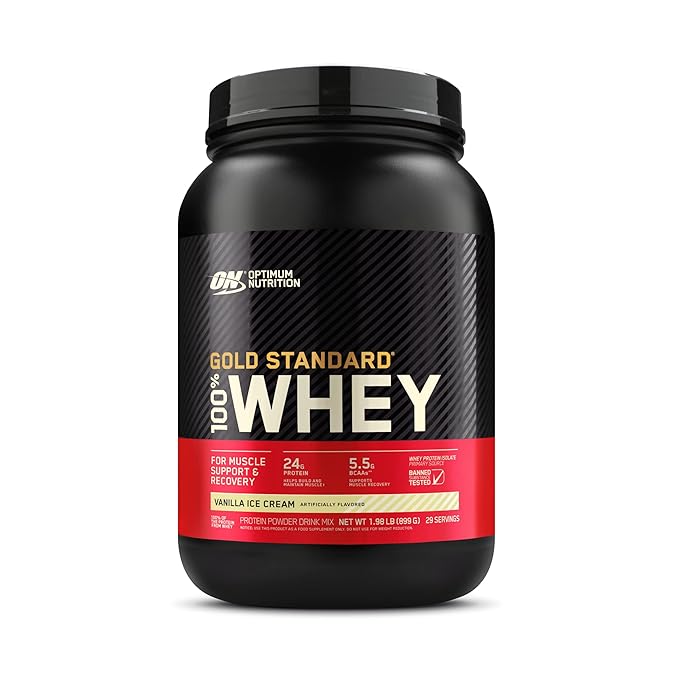
Does whey protein cause pimples?
While itself doesn’t directly cause pimples, it may exacerbate acne in some individuals.
It Contains hormones like insulin-like growth factor 1 (IGF-1) and can increase insulin levels in the body, both of which may contribute to acne development.
Additionally, It can trigger inflammation and skin reactions in those who are sensitive to dairy proteins or lactose.
However, not everyone who consumes It will experience acne.
It’s essential to monitor your skin’s response and consider factors like overall diet, skincare routine, and individual sensitivity when incorporating whey protein into your diet. acne flare-ups.
Is protein powder OK for acne?
Protein powder, including whey protein, can potentially worsen acne in some individuals due to its impact on hormone levels and insulin sensitivity.
However, not everyone will experience adverse effects. It’s essential to monitor your skin’s response and consider factors like overall diet, skincare routine, and individual sensitivity.
Choosing high-quality protein powders and diversifying protein sources can help minimize the risk of acne flare-ups. Additionally, diversifying
What are the side effects of taking whey protein?
If you’re concerned about the potential impact of It on your skin health, consider trying alternative protein sources or protein powders.
Pay attention to how your skin reacts and consult with a healthcare professional if you experience persistent acne flare-ups. Additionally,
diversifying your protein intake from various sources can help minimize reliance on whey protein and reduce the risk of potential side effects.
Whether to avoid whey protein depends on your individual health and dietary needs.
While It can be beneficial for muscle growth and recovery for many people, some individuals may experience adverse effects such as acne.
If you notice that It worsens your skin condition or causes other issues, you may consider trying alternative protein sources or consulting a healthcare professional for personalized advice.
Can whey protein really cause acne? Pay attention to how your skin reacts and consult with a healthcare professional if you experience persistent your protein intake from various sources can help minimize reliance on recovery for many people, some individuals may experience adverse effects such as acne. If you notice that it worsens your skin condition or causes other issues, you may consider trying alternative protein sources or consulting a healthcare professional for personalized advice.