Choosing between whey protein vs plant protein depends on your dietary preferences, health goals, and any allergies or intolerances.
Whey protein, derived from milk, is a complete protein with all essential amino acids, making it great for muscle building and recovery.
Plant protein, sourced from peas, rice, or hemp, is suitable for vegans and offers additional benefits like fiber and antioxidants.
If you’re lactose intolerant or prefer a plant-based diet, plant protein may be the better option. Consider your needs and preferences to determine which protein source aligns best with your lifestyle and health goals.
whey protein vs plant protein
whey protein: What is whey protein?
Whey protein is a popular dietary supplement derived from milk during the cheese-making process.
It’s a complete protein, containing all essential amino acids that the body needs for muscle growth, repair, and overall health.
https://studyfourever.in/protein-supplement-for-muscle-growth/ is quickly absorbed by the body, making it ideal for post-workout recovery.
It comes in various forms, including whey protein concentrate and whey protein isolate, with different levels of protein content and processing.
5 amazing benifit of whey protein
Whey protein offers numerous benefits for overall health and fitness. Here are five amazing benefits of incorporating whey protein into your diet:
1. Muscle Growth and Repair
Whey protein is rich in essential amino acids, particularly leucine, which plays a crucial role in stimulating muscle protein synthesis.
Consuming whey protein after resistance training helps promote muscle growth and repair, making it an excellent supplement for athletes and fitness enthusiasts looking to increase muscle mass and strength.
2. Weight Management
Protein is known for its ability to increase feelings of fullness and reduce appetite, which can aid in weight management and fat loss.
Whey protein, in particular, has been shown to have a greater satiating effect compared to other protein sources, helping to curb cravings and reduce calorie intake, especially when consumed as part of a balanced diet.
3. Enhanced Exercise Performance
Whey protein can improve exercise performance and endurance by providing the necessary amino acids for energy production and muscle function.
Additionally, whey protein supplementation has been linked to faster recovery times and reduced muscle soreness following intense workouts, allowing individuals to train harder and more frequently.
4. Immune Support
Whey protein contains immunoglobulins and lactoferrin, which have immune-boosting properties and help strengthen the body’s defense against infections and illnesses.
Regular consumption of whey protein may support overall immune function and reduce the risk of infections, particularly during periods of intense training or high physical stress.
5. Nutrient-Dense
Whey protein is not only an excellent source of high-quality protein but also provides essential nutrients like calcium, magnesium, and B vitamins.
These nutrients play various roles in supporting overall health, including bone health, metabolism, and energy production.
conclusion
In conclusion, whey protein offers a multitude of benefits, including muscle growth and repair, weight management, enhanced exercise performance, immune support, and nutrient density.
Whether you’re an athlete striving to improve performance or someone looking to support overall health and fitness goals, incorporating whey protein into your diet can be a valuable addition to your nutrition regimen.
Also read best protein supplement for muscle growth
Top 5 Amazing whey protein
When it comes to choosing the best whey protein supplements, several factors come into play, including quality, taste, price, and additional ingredients. Here are five top whey protein options that stand out:
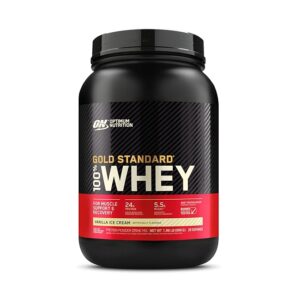
1. Optimum Nutrition Gold Standard 100% Whey
This is one of the most popular whey protein supplements on the market, known for its high protein content, great taste, and mixability.
It contains whey protein isolate as the primary ingredient, making it a fast-absorbing and easily digestible option for post-workout recovery.
2. Dymatize ISO100 Whey Protein Isolate
Dymatize ISO100 is a high-quality whey protein isolate supplement that is low in carbs, fats, and lactose, making it suitable for those with lactose intolerance or dietary restrictions.
It comes in a variety of delicious flavors and is highly rated for its purity and effectiveness.
3. MuscleTech NitroTech Whey Protein Powder
MuscleTech NitroTech is formulated with whey protein isolate and whey peptides, along with added creatine and amino acids for enhanced muscle building and recovery.
It’s available in several flavors and is backed by scientific research supporting its efficacy.
4. BSN SYNTHA-6 Whey Protein Powder
BSN SYNTHA-6 is a blend of whey protein concentrate, whey protein isolate, and other protein sources, providing a sustained-release protein formula that can be used any time of day.
It comes in a variety of decadent flavors and is praised for its creamy texture and taste.
5. MusclePharm Combat 100% Whey Protein
MusclePharm Combat is a blend of whey protein isolate, whey protein concentrate, and whey protein hydrolysate, offering a comprehensive protein source for muscle growth and recovery.
It’s available in several flavors and is lauded for its high protein content and mixability.
conclusion
When choosing a whey protein supplement, consider your individual goals, dietary preferences, and any allergies or intolerances you may have.
Look for products that are third-party tested for quality and purity, and always read ingredient labels to ensure they meet your nutritional needs. Ultimately, the best whey protein for you is one that aligns with your lifestyle and supports your fitness and health goals effectively.
plant protein: what is plant protein ?
Plant protein is derived from plant-based sources like peas, rice, hemp, soy, and legumes. Unlike whey protein from animal sources, plant protein is suitable for vegans, vegetarians, and those with lactose intolerance or dairy allergies.
It’s available in various forms, including pea protein, rice protein, and hemp protein, each offering unique nutritional benefits.
Plant protein supplements are rich in fiber, vitamins, minerals, and antioxidants, making them a nutritious choice for supporting muscle growth, weight management, and overall health.
They’re also sustainable and environmentally friendly, contributing to a more eco-conscious diet.
5 Amazing benifit of plant protein
Plant protein offers numerous benefits for overall health and well-being. Here are five amazing benefits of incorporating plant protein into your diet:
1. Rich in Nutrients
Plant protein sources like beans, lentils, quinoa, and nuts are not only high in protein but also packed with essential nutrients such as fiber, vitamins, minerals, and antioxidants.
These nutrients support various bodily functions, including digestion, immune function, and cell repair, promoting overall health and vitality.
2. Supports Muscle Growth and Repair
Contrary to popular belief, plant protein can be just as effective as animal protein for supporting muscle growth and repair.
Plant-based protein sources like soy, peas, and hemp contain all essential amino acids necessary for muscle synthesis, making them ideal for individuals looking to build and maintain lean muscle mass.
3. Heart Health:
Plant protein is naturally low in saturated fat and cholesterol, making it a heart-healthy choice.
Studies have shown that diets rich in plant-based proteins can help lower blood pressure, reduce LDL (bad) cholesterol levels, and decrease the risk of cardiovascular disease, ultimately supporting long-term heart health.
4. Weight Management:
Plant protein is often higher in fiber than animal protein, which can help promote feelings of fullness and satiety, leading to reduced calorie intake and improved weight management.
Additionally, plant-based diets tend to be lower in calories and higher in nutrient density, making them an excellent choice for individuals looking to achieve and maintain a healthy weight.
5. Environmental Sustainability:
Producing plant protein requires fewer resources, including land, water, and energy, compared to animal protein sources.
By choosing plant protein over animal protein, individuals can reduce their carbon footprint and contribute to environmental sustainability.
conclusion
In conclusion, incorporating plant protein into your diet offers a wide range of benefits, including nutrient richness, support for muscle growth and repair, heart health promotion, weight management assistance, and environmental sustainability.
Whether you’re following a vegan, vegetarian, or flexitarian diet, including a variety of plant-based protein sources in your meals can help you achieve optimal health and well-being.
top 5 amazing plant Protein
When it comes to plant protein sources, there are several options available that offer a variety of nutritional benefits.
Here are five of the best plant protein sources:
1. Pea Protein:
Pea protein is derived from yellow peas and is a rich source of protein, containing all nine essential amino acids.
It’s easily digestible and hypoallergenic, making it suitable for individuals with food sensitivities or allergies.
Pea protein is also high in branched-chain amino acids (BCAAs), which support muscle growth and repair.
2. Hemp Protein:
Hemp protein is made from the seeds of the hemp plant and is a complete protein containing all essential amino acids.
It’s also rich in omega-3 and omega-6 fatty acids, which are essential for heart health and inflammation regulation.
Hemp protein is easily digestible and provides a nutty flavor that pairs well with smoothies, baked goods, and savory dishes.
3. Soy Protein:
Soy protein is derived from soybeans and is one of the most widely studied plant proteins.
It’s a complete protein that contains all essential amino acids and is rich in antioxidants called phytochemicals, which have been linked to various health benefits, including heart health and cancer prevention.
Soy protein is available in various forms, including tofu, tempeh, and soy protein powder.
4. Brown Rice Protein:
Brown rice protein is made from the whole grain and is an excellent source of protein for individuals with dietary restrictions or allergies.
It’s hypoallergenic, gluten-free, and easily digestible, making it suitable for sensitive stomachs.
Brown rice protein is also rich in fiber, vitamins, and minerals, providing a nutritious addition to any diet.
5. Quinoa Protein:
Quinoa is a pseudocereal that is naturally high in protein and contains all nine essential amino acids, making it a complete protein source.
It’s also gluten-free and rich in fiber, vitamins, and minerals, including iron and magnesium.
Quinoa protein is versatile and can be used in salads, soups, casseroles, and breakfast bowls to add a nutritional boost.
conclusion
In conclusion, incorporating a variety of plant protein sources into your diet can help you meet your protein needs while providing a wide range of nutritional benefits.
Whether you prefer pea protein, hemp protein, soy protein, brown rice protein, or quinoa protein, adding plant-based protein sources to your meals can support overall health and well-being.
which is best for you: whey protein vs plant protein
The choice between whey protein vs plant protein depends on individual preferences, dietary restrictions, and health goals.
Whey protein is a complete protein derived from milk, ideal for muscle growth and recovery, but may not be suitable for those with lactose intolerance or dairy allergies.
Plant protein, sourced from plants like peas, soy, and hemp, offers a variety of nutrients and is suitable for vegans and vegetarians.
Ultimately, the best protein option is the one that aligns with your dietary needs, lifestyle, and health objectives.
Whey protein vs plant protein both are effective and useful at there place.
Whey protein vs plant protein is not a battle it just a comparison between them.